URGENT FILING DEADLINE WARNING FOR MICHIGAN RESIDENTS: If you or a loved one worked at Eckert Station and received an asbestos-related diagnosis, it is critical to act immediately. Michigan law imposes a strict three-year statute of limitations for personal injury claims, running from the date of diagnosis (MCL § 600.5805(2)). For wrongful death claims, the deadline is generally three years from the date of death (MCL § 600.2922). Do not delay; your legal rights may depend on prompt action.
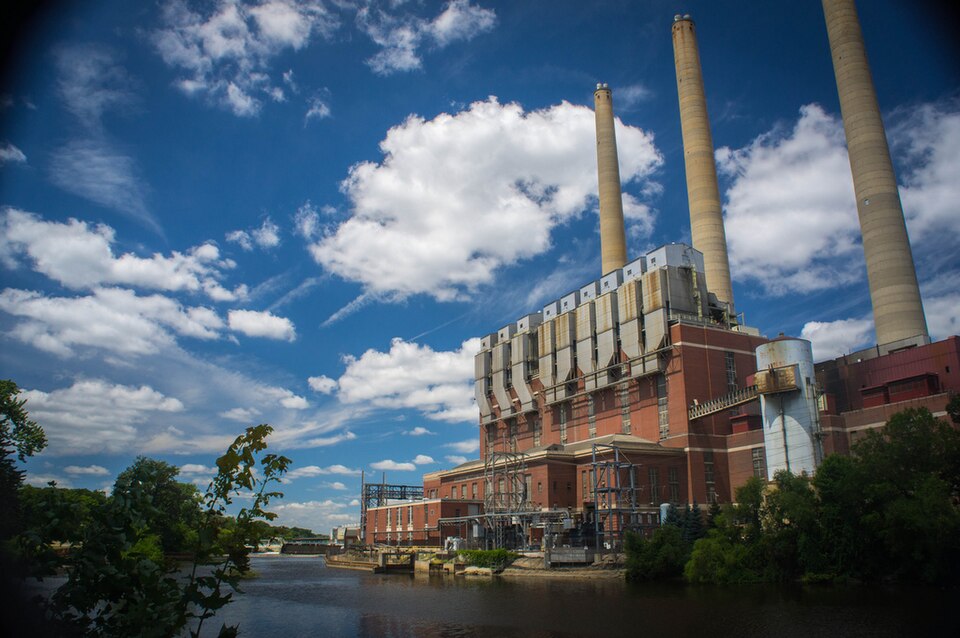
Eckert Station, a coal-fired power plant in Lansing, Michigan, reportedly operated for decades. Like many industrial facilities built and maintained through the 20th century, Eckert Station is alleged to have used asbestos-containing materials extensively. This article provides information for former workers, their families, and anyone exposed to asbestos at Eckert Station who later developed mesothelioma or asbestosis. Consulting with an experienced mesothelioma lawyer Michigan residents trust is crucial for understanding your legal options.
Consult the AsbestosIndex Product Crosswalk for a list of known asbestos-containing products and their historical manufacturers: https://www.asbestos-products.com/crosswalk/.
Eckert Station History and Alleged Asbestos Use in Michigan
Eckert Station supplied power to Lansing. Plant construction reportedly began in the mid-20th century, with units coming online at various times. For example, a General Electric TC4F26 steam turbine was commissioned in 1976 (per EIA Form 860 Annual Electric Generator Report). Asbestos was a favored material in industrial settings during these periods, offering exceptional heat resistance, electrical insulation, and durability. These properties made it ideal for power generation facilities with high temperatures and electrical systems, much like other major asbestos exposure Michigan industrial sites such as the Ford River Rouge Complex or Chrysler Jefferson Assembly.
Asbestos-containing materials were reportedly present throughout Eckert Station, particularly in areas with high heat and friction. These materials allegedly insulated boilers, pipes, turbines, and other machinery. Insulation maintained operational efficiency and prevented fires. The plant likely used asbestos-containing products until the late 1970s or early 1980s. Stricter regulations and growing awareness of asbestos hazards led to a decline in its use. However, existing asbestos-containing materials often remained in place after new installations ceased, posing a risk during maintenance, repair, or demolition activities.
Workers Allegedly Exposed to Asbestos at Eckert Station
Many skilled tradespeople and laborers who worked at Eckert Station may have been exposed to asbestos fibers. These individuals often worked directly with or near asbestos-containing materials during installation, maintenance, repair, and removal. Trades commonly associated with asbestos exposure at power plants, and other Michigan industrial facilities like GM Hamtramck or Buick City Flint, include:
- Insulators: Applied and removed asbestos-containing pipe covering, block insulation, and insulating cements around boilers, pipes, and other equipment. Their work often disturbed these materials, reportedly releasing asbestos fibers. Many insulators at facilities like Eckert Station were reportedly members of unions such as Asbestos Workers Local 25.
- Pipefitters: Cut, fitted, and replaced pipes. These pipes were often insulated with asbestos-containing materials. They also worked with gaskets and packing materials that reportedly contained asbestos. Pipefitters at the plant may have been members of unions such as Pipefitters Local 636.
- Boilermakers: Built, maintained, and repaired the plant’s large boilers. This work often involved handling refractory materials, gaskets, and insulation, many of which allegedly contained asbestos. Boilermakers Local 169 members may have worked at Eckert Station.
- Electricians: Worked with wiring and electrical components. Some components were insulated with asbestos-containing materials. They also worked near other trades disturbing asbestos-containing materials, similar to those at Packard Electric Warren.
- Laborers: Assisted other trades, cleaned work areas, and performed various tasks. These tasks could have brought them into contact with asbestos dust. Many laborers at Michigan industrial sites were members of unions like UAW Local 600 (Dearborn) or UAW Local 235.
- Millwrights: Installed, maintained, and repaired machinery. They often worked in areas with asbestos-containing components or insulation.
- Maintenance Workers: Routine maintenance and emergency repairs often disturbed existing asbestos-containing components, leading to potential exposure.
- Welders: Often worked in confined spaces where asbestos materials were present. Their work could disturb these materials.
Workers in these and other roles at Eckert Station may have faced exposure risks, making the guidance of an asbestos attorney Michigan residents can trust invaluable.
Alleged Asbestos-Containing Products at Eckert Station
Power plants like Eckert Station reportedly used various categories of asbestos-containing materials. These are alleged to have included:
- Pipe covering
- Block insulation
- Insulating cement
- Gaskets and packing
- Refractory materials (e.g., in boilers and furnaces)
- Brakes and clutches (in machinery)
- Electrical components (e.g., wiring insulation, panel boards)
- Spray fireproofing (on structural steel)
- Floor tile
- Ceiling tile
- Acoustical panels
Disturbance of these materials during operations, maintenance, or demolition could have released microscopic asbestos fibers into the air. Inhaled or ingested fibers can lead to serious health consequences decades later. For specific product manufacturers, consult the AsbestosIndex Product Crosswalk.
Asbestos-Related Diseases and Their Latency
Asbestos exposure is the sole known cause of mesothelioma. This rare and aggressive cancer affects the lining of the lungs, abdomen, or heart. Other serious diseases linked to asbestos exposure include:
- Asbestosis: A chronic, non-cancerous lung disease. It features scarring of the lung tissue, leading to breathing difficulties.
- Lung Cancer: Asbestos exposure increases the risk of developing lung cancer, particularly in individuals who also smoke.
- Ovarian Cancer: Research indicates a link between asbestos exposure and an increased risk of ovarian cancer.
- Laryngeal Cancer: Studies show a connection between asbestos exposure and cancer of the larynx.
The latency period for these diseases can be long, often 10 to 50 years or more after initial exposure. Individuals who worked at Eckert Station decades ago may only now experience symptoms, making it crucial to consult a mesothelioma lawyer Michigan for timely legal advice.
Legal Options for Asbestos Exposure Victims in Michigan
If you or a loved one worked at Eckert Station and received a diagnosis of mesothelioma, asbestosis, or another asbestos-related disease, you may have legal options. These options typically include pursuing a Michigan mesothelioma settlement.
- Trust fund claims: Many companies that manufactured or supplied asbestos-containing products established trust funds to compensate victims. Residents of Michigan can pursue these claims simultaneously with civil lawsuits. While most asbestos trusts do not have a strict time limit for filing, their assets are finite and deplete over time. It is strongly recommended to file as soon as possible to secure your asbestos trust fund Michigan claim.
- Civil lawsuits: File a personal injury lawsuit against the parties responsible for your exposure. Common venues for such claims in Michigan include the Wayne County asbestos lawsuit venue (Detroit) and the Ingham County Circuit Court (Lansing). An asbestos cancer lawyer Detroit based or serving the broader Michigan area can guide you through this process.
- Wrongful death claims: If a loved one died from an asbestos-related disease, surviving family members may file a wrongful death claim.
Act quickly. State laws impose strict deadlines, known as statutes of limitations, for filing these claims. In Michigan, the personal injury statute of limitations for asbestos claims is generally three years from the date of diagnosis (MCL § 600.5805(2)). The wrongful death statute of limitations is generally three years from the date of death (MCL § 600.2922). Understanding the Michigan asbestos statute of limitations is critical; missing these deadlines could forfeit your right to file a claim. This means the asbestos lawsuit Michigan filing deadline is a crucial consideration.
Contact an Experienced Asbestos Attorney Today
An experienced asbestos litigation law firm can help you understand your rights, identify potential exposure sources, gather evidence, and navigate the complex legal process. Time is precious. Unfortunately, many of the coworkers who shared shifts with you in the earlier years of your career may no longer be reachable. Pursue trust fund claims and civil lawsuits simultaneously. A dedicated toxic tort counsel can assist with your asbestos lawsuit Michigan claim.
If you or a loved one worked at Eckert Station and developed an asbestos-related disease, do not delay. Call a qualified asbestos attorney today to discuss your legal options and protect your rights.
Data Sources
Information about facility equipment, industrial materials, and occupational records referenced on this page is drawn from publicly available sources where applicable, including:
- EPA ECHO Facility Compliance Database — enforcement and compliance records for industrial facilities
- OSHA Establishment Search — federal workplace inspection history
- EIA Form 860 Plant Data — power plant equipment and ownership records (where applicable)
- Michigan EGLE NESHAP records
- Published asbestos trial and trust fund records (publicly filed court documents)
If specific equipment or product claims in this article are sourced from a non-public database, the source is identified parenthetically within the text above.
← Back to Michigan Jobsite Asbestos Records
For informational purposes only. Not legal advice. No attorney-client relationship is created by reading this page. © 2026 Rights Watch Media Group LLC — Disclaimer · Privacy · Terms · Copyright